Frequently Asked Questions (FAQ) – Prehistory
This FAQ is designed for a general audience interested in the period of human history known as the Prehistoric era (before written records).
Frequently Asked Questions About the Prehistoric Era
Welcome to this guide about the fascinating time period known as the Prehistoric era! Before written records, human ancestors and early humans lived, evolved, and shaped the world in profound ways. This FAQ covers common questions about this vast stretch of time.
1. What exactly is the Prehistoric era?
The Prehistoric era refers to the period of human history before writing was invented, typically starting from around 35,000 BCE or earlier (the beginning of the Paleolithic) and lasting until the very first written documents appeared, around 3500 BCE in Mesopotamia. It covers the vast majority of human existence.
2. Why is it called “Prehistoric”?
It comes from the Latin words “pre” (before) and “historia” (history). Since there are no written records from this time, historians and archaeologists use the term “prehistory” to describe these periods.
3. How long did the Prehistoric era last?
It lasted for tens of thousands of years, roughly from 35,000 BCE (roughly the start of the Paleolithic) to 3500 BCE (the dawn of recorded history). This is an incredibly long timescale compared to recorded history.
4. What are the main divisions within the Prehistoric era?
Archaeologists divide prehistory into three main periods based on the types of tools and technology used:
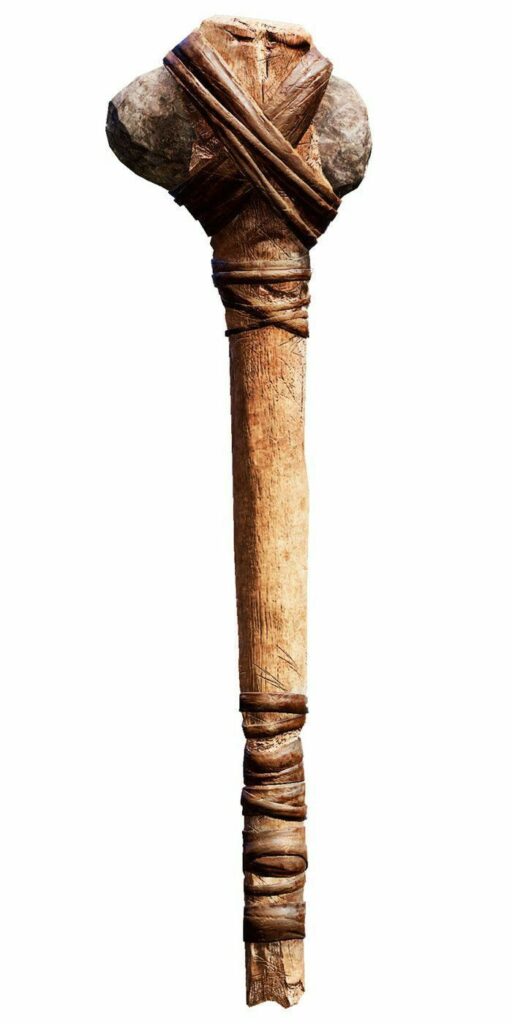
* Paleolithic (Old Stone Age): ~35,000 BCE – 10,000 BCE. Characterized by the use of chipped stone tools (like hand axes and flint knives). Early humans (Homo sapiens and earlier hominins) lived during this time. Hunters and gatherers.
* Mesolithic (Middle Stone Age): ~10,000 BCE – 3,000 BCE. Characterized by smaller, more sophisticated stone tools. Adaptation to changing environments after the last Ice Age. Still largely hunter-gatherers.
* Neolithic (New Stone Age): ~3,000 BCE – 3500 BCE (or sometimes up to the beginning of the Iron Age). Characterized by the development of agriculture (farming), animal domestication, the creation of pottery, weaving, permanent settlements (villages), and the rise of complex societies and early civilizations.
5. What did people do during the Paleolithic era?
They were hunter-gatherers. They lived in small groups (bands), hunted animals and gathered wild plants for food. They used simple stone tools, learned to control fire, developed basic forms of art (like cave paintings and carved figurines), and buried their dead with ritualistic care. Life was mobile, adapting to the environment.
6. How did life change during the Neolithic era?
The biggest change was the Agricultural Revolution. People began to farm (grow crops like wheat and barley) and domesticate animals (like sheep, goats, cattle, pigs). This led to:
* Settlement: Villages and towns started to appear as people no longer needed to move constantly for food.
* Population Growth: More reliable food sources supported larger populations.
* New Technologies: Pottery for storing food/water, weaving for clothing, polished stone tools, and eventually metallurgy (copper, then bronze, then iron).
* Social Complexity: Increased need for organization led to social hierarchies, specialized jobs (potters, builders, priests), and the development of concepts like property and religion.
7. How do we know about prehistory if there are no written records?
We know about prehistory through archaeology. Archaeologists study:
* Artifacts: Stone tools, pottery shards, bones, buildings (even traces of them).
* Hominin Fossils: Bones and skeletons of early human ancestors and relatives.
* Cave Paintings and Artifacts: Providing insights into beliefs, daily life, and artistic expression.
* Environmental Science: Studying pollen, fossils, and geological layers to understand past climates and environments.
* Anthropology: Studying modern human cultures and comparing them to understand past societies.
8. What happened to the people and cultures of prehistory?
The story doesn’t end with recorded history, it continues. The societies, cultures, and technologies that emerged in prehistory (like agriculture, metallurgy, writing) laid the foundation for all of recorded history and the modern world. Some prehistoric groups evolved into early civilizations, while others died out or assimilated into larger groups. The legacy of prehistory is immense.
9. Why is the study of prehistory important?
Understanding prehistory helps us:
* Trace our own evolutionary journey.
* See how basic human needs (food, shelter, security) shaped our societies.
* Understand the deep roots of human culture, technology, social structures, and conflict.
* Gain perspective on our own lives and the long-term trajectory of humanity.
Hope this FAQ was helpful! Feel free to ask more questions about this incredible time period.