(A Deep Dive into the Neanderthal-Homo Sapiens Transition)
The story of human evolution is one of survival, adaptation, and triumph against the odds. But how did Homo sapiens (modern humans) outlast the Neanderthals? Why did one civilization thrive while the other disappeared? Let’s break it down.
⏳ When Did the Transition Take Place?
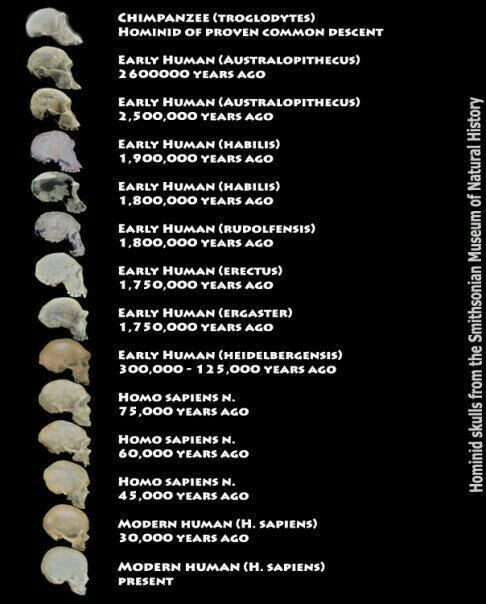
The transition from Neanderthals (Homo neanderthalis) to modern humans (Homo sapiens) occurred roughly between 45,00 “BCE” and 40,000 BCE, with the peak of the shift happening around 40,000 BCE. This was during the Middle to Upper Paleolithic period—a time of dramatic environmental change, technological innovation, and cultural evolution.
🌍 Geography: Out of Africa and Into Europe
The story begins in East Africa, where Homo sapiens evolved around 300,000 BCE. By 70,000 BCE, modern humans had begun migrating out of Africa, slowly spreading across the Middle East, Asia, and eventually into Europe.
Meanwhile, Neanderthals had already established themselves in Europe and Western Asia, thriving in the colder climates since around 400,000 BCE. By 40,000 BCE, the two species met in the Middle East and Europe, leading to a dramatic shift in the balance of power.
🌡️ Climate During the Transition
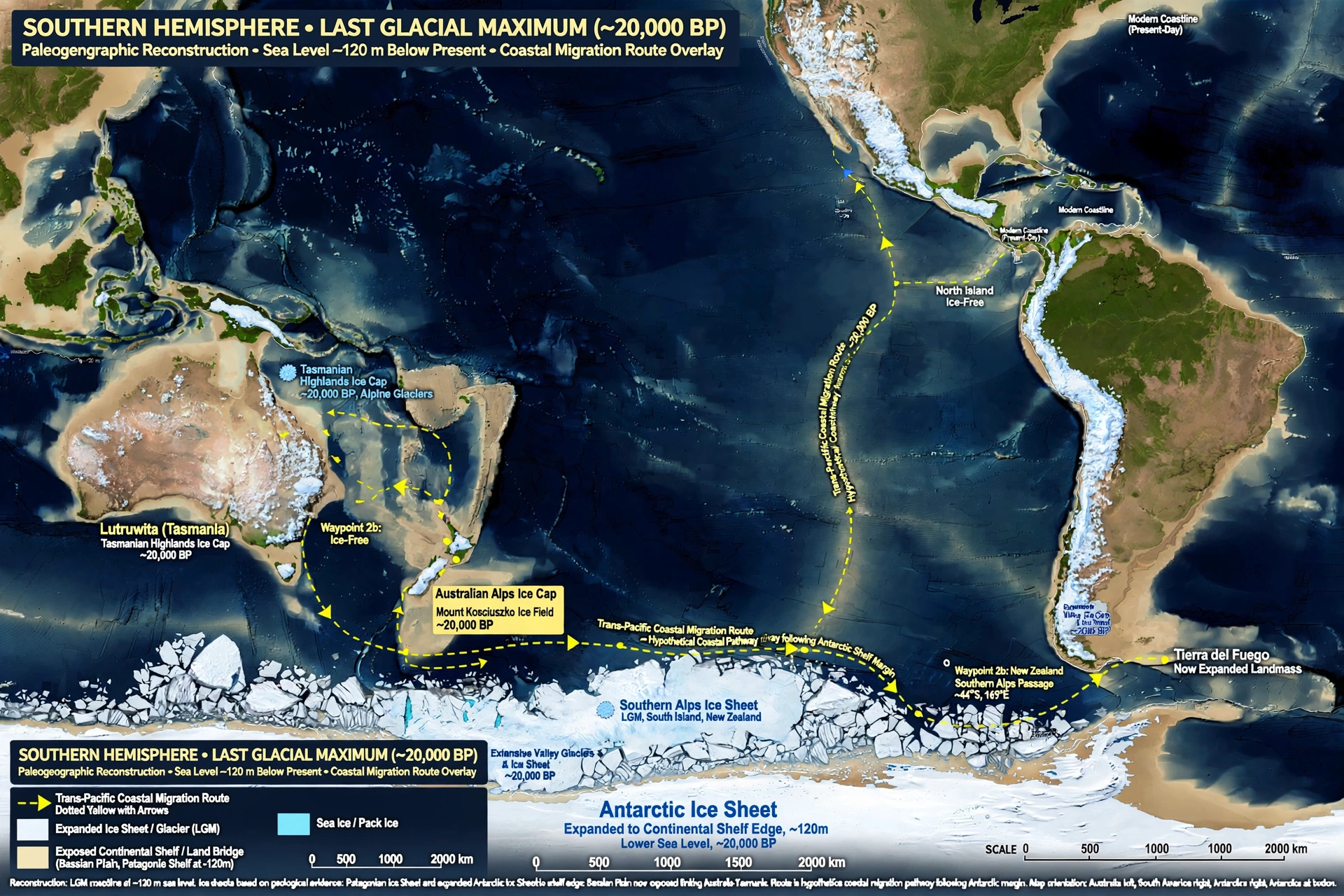
The period from 45,000 to 40,000 BCE was marked by significant climate fluctuations, including the Last Glacial Maximum (LGM). During the LGM, which peaked around 20,000 BCE, much of Europe was covered in ice, and sea levels were drastically lower.
This harsh climate created intense selective pressures, favoring adaptability, innovation, and cooperation—traits that Homo sapiens would come to excel in.
🧪 How the Transition Took Place
The rise of Homo sapiens wasn’t just about migration—it was a combination of technological innovation, social complexity, and adaptability. Here’s how we outshined the Neanderthals:
- Advanced Tools & Technology:
- Homo sapiens developed more sophisticated tools, like spear-throwers, fine blades, and bone implements.
- We also mastered symbolic thought, creating art, jewelry, and rituals—unseen in Neanderthals.
- Clothing & Shelter:
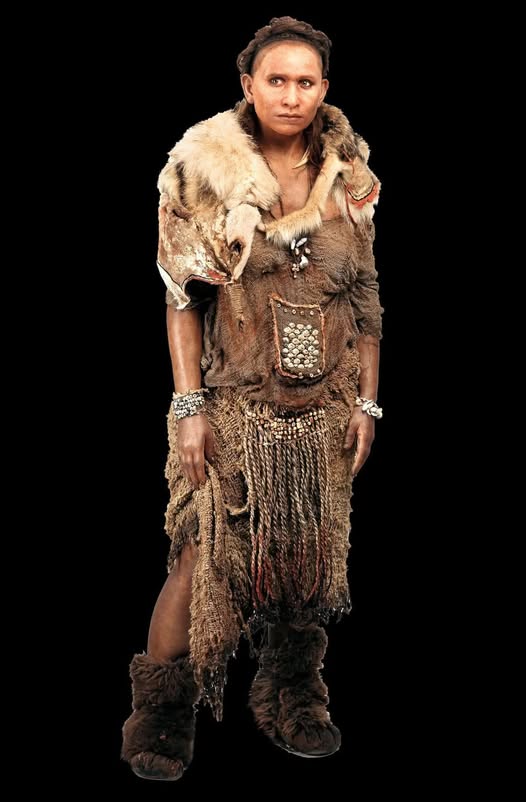
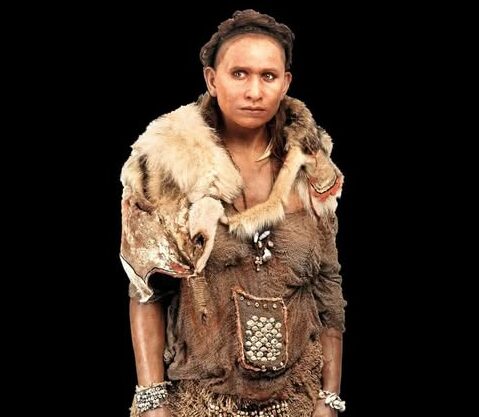
- Modern humans invented tailored clothing from hides, allowing them to survive in colder climates.
- We built more advanced shelters, including semi-subterranean dwellings, which offered better insulation.
- Diet & Nutrition:
- Homo sapiens had a more varied diet, including marine resources, hunted game, and plant foods.
- This flexibility allowed us to adapt to changing environments more effectively.
- Social & Cultural Complexity:
- We developed complex language, enabling cooperation, planning, and cultural transmission.
- This led to faster innovation cycles and better problem-solving.
- Gene Flow & Hybridization:
- Genetic evidence shows that Homo sapiens and Neanderthals interbred.
– Studies reveal that up to 4% of modern human DNA outside Africa comes from Neanderthals—but the Neanderthals themselves did not survive.
🧩 Interesting Abnormalities & Anomalies
The transition period was also marked by several fascinating anatomical and behavioral abnormalities, including:
- Brain Shape & Size:
- Early Homo sapiens had slightly smaller brains than Neanderthals (on average), but more efficient brain structure—suggesting smarter, not necessarily bigger.
- Dental Abnormalities:
- Some early humans show signs of tooth decay and dental anomalies, possibly linked to a shift toward softer diets or new cooking methods.
- Symbolic Burial:
- Evidence of symbolic burial practices (e.g., at Qafzeh Cave in Israel) is exclusive to Homo sapiens.
- Neanderthals buried their dead but without symbolic artifacts.
- Archaic Humans in Eurasia:
– For thousands of years, Homo sapiens coexisted with earlier forms of Homo sapiens (like Homo sapiens idaltu) in Africa, who had slightly different skull shapes and dental features.
📜 The First Densely Populated Areas
By 40,000 BCE, Homo sapiens had established dense settlements in Europe and the Levant, including modern-day Turkey, Syria, and Israel. These areas saw the earliest evidence of villages, planned settlements, and population growth.
⚖️ The Neanderthal Extinction Debate
While interbreeding occurred, Neanderthals disappeared from archaeological records by 39,000 BCE. Why? Several theories include:
- Competition: Homo sapiens outcompeted Neanderthals for resources.
- Climate Change: Glacial periods made survival harder for Neanderthals.
- Disease: Genetic mixing may have introduced diseases to which Neanderthals had no immunity.
– Violence: Evidence of Neanderthal hunting tools being more advanced, but ours being more widespread and adaptable.
🌍 The Ghosts of Osage: A Final Mystery
What happened to the remaining Neanderthals? Some theories suggest they may have survived into the Mesolithic period (10,000 BCE), perhaps in remote areas like Caucasus or Anatolia. However, no definitive evidence has been found—only legends and whispers remain.
💎 The Takeaway
The transition from Neanderthals to Homo sapiens wasn’t just a battle for survival—it was a triumph of adaptability, innovation, and cultural complexity.
We replaced them not through superior strength, but through superior strategy, technology, and social cohesion. And it happened in just 5,000 years—a blink of an eye in human history.
🔥 What’s Next?
Now it’s your turn to share what you think—was it just survival, or something more profound? Was it a planned replacement, or was it something supernatural?
Let’s keep digging.👇