Beyond Simple Stories: Genetic Adaptation, Interbreeding, and the Complexity of Human Evolution
Introduction
Evolution is often depicted in simplified terms, sometimes reducing complex biological processes to linear narratives. However, the reality of how organisms adapt to their environments, particularly through genetic means, is far more intricate. This document explores two key aspects of human (and hominin) evolution: adaptation through shared genetic mechanisms and the potential role of interbreeding between different hominin species. We will delve into the mechanisms, provide examples, and analyze why a nuanced understanding, avoiding oversimplification, is crucial for understanding our deep past.
Detailed Explanation: Adaptation through Shared Genetic Mechanisms
Genetic adaptation is the process by which populations become better suited to their environment over generations due to natural selection acting on genetic variation. It’s not about organisms changing their DNA directly in response to the environment, but rather about selecting pre-existing or newly arisen genetic variants that confer a survival or reproductive advantage.
While changes in the sequence of DNA bases (mutations) are the raw material for evolution, the actual expression and function of genes are often regulated by shared genetic mechanisms. These mechanisms allow for rapid and subtle adjustments in phenotype (observable characteristics) without necessarily altering the fundamental building blocks (the protein-coding sequence itself in many cases).
Key Shared Genetic Mechanisms Driving Adaptation:
- Gene Regulation (Non-Code DNA): A vast portion of our DNA (the non-coding regions) doesn’t produce proteins directly. Instead, it contains regulatory elements (like enhancers, silencers, promoters) that control when, where, and how much genes are turned on or off. Changes in these regulatory regions can have profound effects on an organism’s traits without altering the protein sequence. For example:
- Lactase Persistence: Many humans can digest milk as adults (lactase persistence). This isn’t usually due to a change in the lactase gene protein sequence itself. Instead, it’s often due to a mutation in a regulatory region upstream of the lactase gene. This mutation prevents the gene from being shut down after early childhood, allowing the enzyme to continue being produced.
- Disease Resistance: Variants in regulatory regions can affect the expression of genes involved in immune responses, potentially conferring resistance to specific diseases.
- Natural Selection: This is the engine of adaptation. It operates on the variation present within a population. Individuals with certain genetic variants (alleles) that improve survival and reproduction in a specific environment are more likely to pass those alleles on to the next generation. This process can act on genes involved in metabolism, thermoregulation, disease resistance, etc.
- Example (High Altitude Adaptation): Populations living at high altitudes (like those in the Andes or the Himalayas) often have higher frequencies of alleles associated with better oxygen utilization. This could involve changes in genes regulating hemoglobin production or blood vessel dilation, adaptations selected for over generations.
- Epigenetics: Epigenetic modifications (like DNA methylation or histone modification) affect gene expression without changing the underlying DNA sequence. These modifications can be influenced by environmental factors (e.g., diet, stress, climate) and can potentially be passed down through generations (though the extent of intergenerational transmission is still debated). While not permanent like genetic mutations, epigenetic changes offer another layer of potential adaptation, allowing populations to respond to changing environments relatively quickly without altering the DNA code itself.
The Role of Interbreeding: More Than Just Replacement
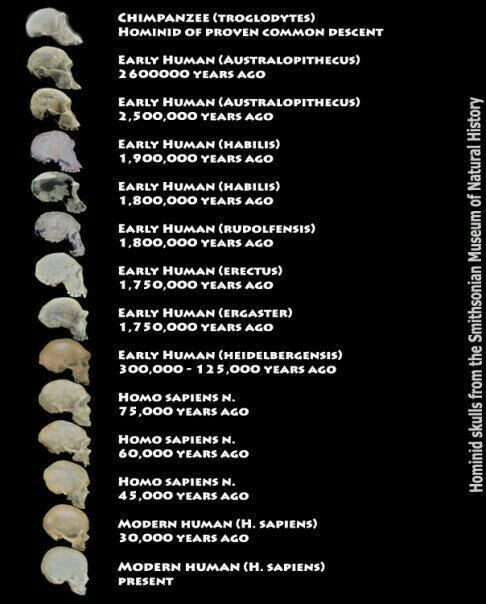
For a long time, the prevailing view was that modern humans (Homo sapiens) migrating out of Africa replaced other contemporary hominin populations like Neanderthals (Homo neanderthalensis) and Denisovans (Homo denisova) without much interaction. However, extensive genetic research, particularly genome sequencing, has revealed a more complex picture.
Evidence for Interbreeding:
- Genetic Traces: Modern human genomes outside of Africa contain small percentages (often less than 2%) of Neanderthal and Denisovan DNA. This is direct, measurable evidence of interbreeding events between distinct hominin populations.
- Neanderthal DNA: Studies show that non-African populations typically carry about 1-4% Neanderthal DNA. The proportion is often slightly higher in people from Europe and Asia. Certain immune-related genes inherited from Neanderthals may have provided advantages or disadvantages in new environments.
- Denisovan DNA: Found primarily in Melanesian populations (those from islands like Papua New Guinea), Denisovan DNA can make up around 5% in some individuals. A gene variant from Denisovans, for example, is associated with higher bone density and potentially better adaptation to cold climates in modern
humans.
- Mitochondrial DNA Studies: Earlier studies focusing on mitochondrial DNA (mtDNA, inherited solely from the mother) sometimes suggested replacement. However, more comprehensive nuclear DNA (DNA from the cell nucleus, containing most genes) studies have definitively shown admixture occurred alongside replacement.
Analysis: Why Avoid Oversimplification?
Understanding human evolution requires avoiding several common oversimplifications:
- The “Out of Africa” vs. “Multiregional” Debate: The simple “Out of Africa” model (complete replacement) and the “Multiregional” model (interbreeding and shared ancestry) aren’t mutually exclusive opposites. The truth likely lies in between – a complex mix of gene flow (interbreeding) and continued gene flow alongside replacement, with varying levels of admixture across different regions and time periods.
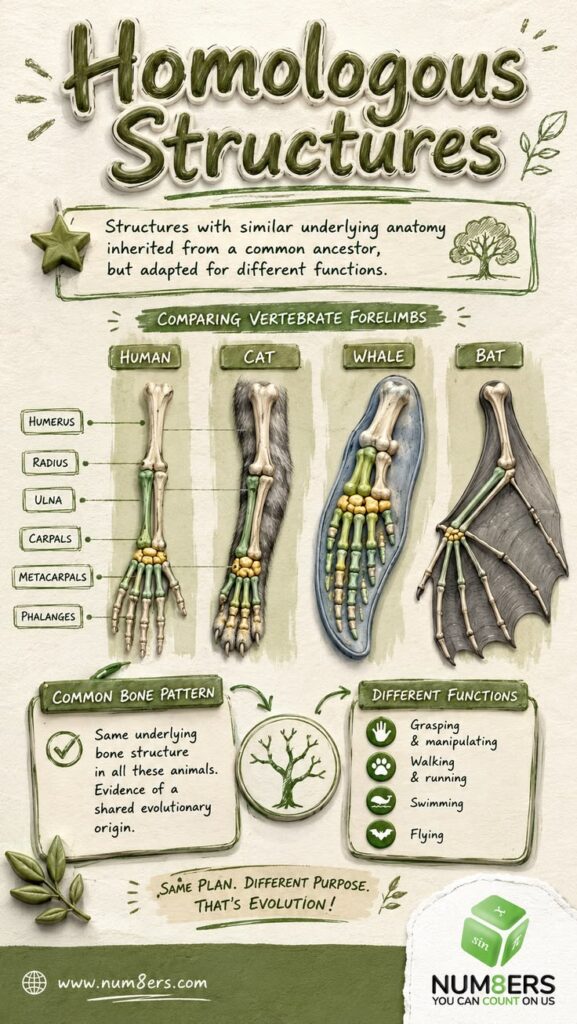
- Adaptation is Multifactorial: Adaptation isn’t driven by a single “master gene” for being human or modern. It’s the result of countless small genetic changes, both in protein-coding sequences and regulatory/epigenetic regions, interacting complexly with the environment over vast timescales. Shared mechanisms allow for coordinated changes in gene expression patterns.
- Interbreeding is Not the Sole Driver: While interbreeding occurred, it was likely not the primary mechanism driving the evolution of modern humans out of Africa. Natural selection acting on genetic variation within Homo sapiens populations, combined with cultural innovations (like advanced tool use, language, and migration), were probably the main drivers. Interbreeding acted as a supplementary factor, introducing new genetic variants that might have been advantageous.
- Complexity of Traits: Many traits (especially those like intelligence, personality, or susceptibility to complex diseases) are polygenic (controlled by many genes) and heavily influenced by environmental factors and epigenetics. Attributing these solely to a few “human-specific” genes oversimplifies their complexity.
- Evolution is Not Purposeful: Evolution doesn’t have a “goal” or plan. Adaptations arise from the differential survival and reproduction of individuals best suited to their current environment. What appears designed is the outcome of blind, natural processes over immense timescales.
Summary
Human evolution is a dynamic and complex process. Genetic adaptation relies on shared mechanisms like changes in gene regulation and natural selection acting on existing variation. Interbreeding with archaic hominins like Neanderthals and Denisovans left detectable genetic traces in modern human populations outside Africa, demonstrating that gene flow was a real component of our evolutionary journey. However, simplistic narratives of linear progression, single-gene determinism, or complete replacement without interbreeding fail to capture the full complexity. Understanding our deep past requires acknowledging the multifaceted nature of genetic change, environmental interactions, and the subtle ways organisms adapt over millions of years.