Hey history buffs and curious minds! Ever wonder how our ancestors kept their peepers safe way back when they were tromping through snowy landscapes?
Let’s dive into the fascinating world of prehistoric snow goggles! 🤔
1. What Were the First Snow goggles?
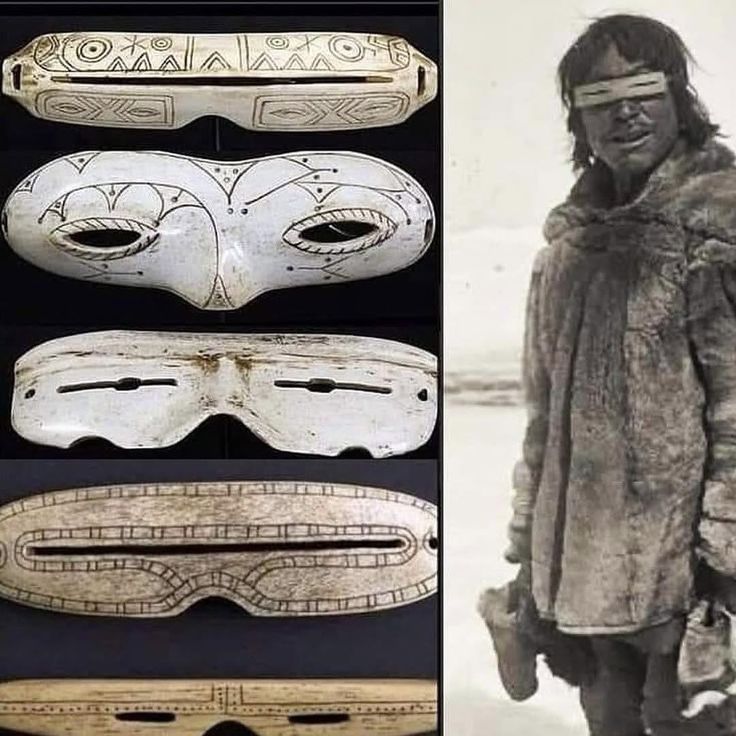
Think slits, not lenses! The earliest snow goggles were simple but ingenious adaptations. They weren’t like your modern sunglasses or ski goggles. They were primarily designed for snow blindness (a painful condition from snow reflecting UV rays) and protection from harsh winds.
2. Where Were They Most Commonly Used?
You might be surprised, but they were most prevalent in regions with extremely cold climates and abundant snow, particularly in Northern and Subarctic regions. Think:
- North America: Arctic regions (Alaska, Canada), areas inhabited by groups like the Inuit, Aleut, Athabascan, and various Algonquian tribes during winter.
- Northern Europe & Asia: Scandinavian countries, Russia, areas around the Arctic Circle.
Essentially, anywhere prehistoric peoples (or even much later indigenous peoples) lived and worked in environments with prolonged snow cover and extreme cold.
3. What Were They Made Of?
Materials were readily available in these harsh environments: - Bone: Animal bone (e.g., deer antler, walrus tusk, caribou bone) was very common. It could be carved and shaped precisely.
- Antler: Young deer antler was excellent – flexible when fresh, hard when dried and treated.
- Wood: Hardwoods like birch or pine could be used, though less flexible than antler/bone.
- Stone: Thin slabs of stone could also be fashioned into slits.
- Tusk: Larger animals like walrus or mammoth (prehistoric) tusks were used for larger, more robust goggles.
4. The Most Common Design and Materials
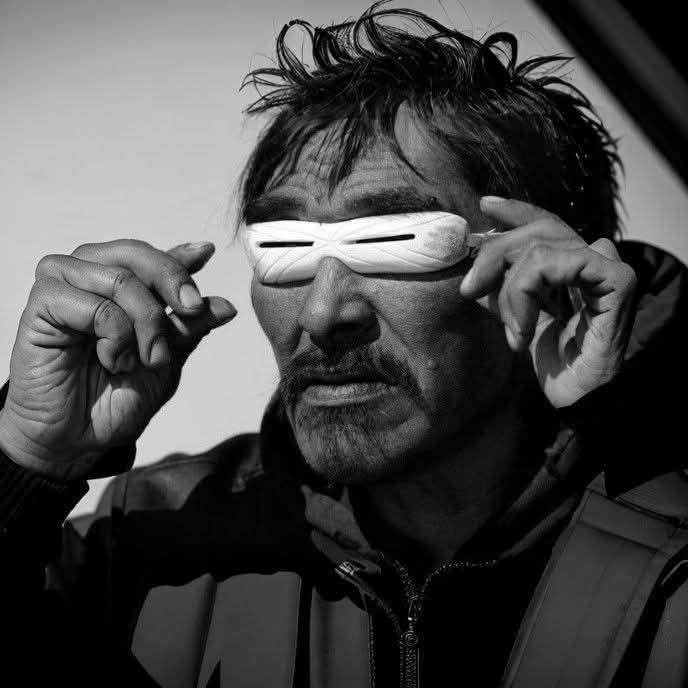
The most recognizable type is the “slit goggle”. Imagine a thin, often rectangular or oval-shaped piece of material (bone, antler, wood, or stone) with one or two narrow slits cut vertically down the center. - Design: The slits allowed a narrow field of vision (peripheral vision mostly) while drastically reducing the amount of snow-lit surface that could directly damage the eyes. This minimized glare and UV exposure.
- Materials: Bone and Antler were the most frequently used materials due to their abundance, workability, and ability to be hardened or smoothed.
Sometimes these slits were covered with translucent materials to further reduce brightness. These could be: - Leather: Oiled or treated hide stretched over the bone/antler frame.
- Sinew or plant fibers: Woven or plaited for a finer mesh effect.
- Plant sap/resin: Applied to the inside of the goggle for a slightly tinted or translucent effect.
5. Matching Snow Accessories of That Era
These goggles were part of a comprehensive cold-weather ensemble. Think beyond just the goggle: - Clothing:厚重的皮毛斗篷 (Thick fur parkas), insulated pants (carpeted hide), layered clothing (loincloths, leggings, shirts made of hide or woven plant fibers).
- Headwear: Fur hats, hooded robes, sometimes elaborate snow hoods (like the uktoq of the Inuit).
- Footwear: Moccasins, snowshoes (developed much later, but boots for traction), sometimes bare feet in very snowy, insulating snow! (Surprisingly common prehistoric practice).
- Body Protection: Arm coverings (muffs), face masks worn over the mouth/nose (like an early aqdut), mittens (fingers/toes often fused for warmth).
6. Why Did Prehistoric Man Wear Snow Goggles?
Primarily for eye protection and windscreen: - Snow Blindness (Photokeratitis): Snow reflects a huge percentage (up to 80-90%) of the sun’s UV rays. This intense glare can severely burn the cornea, causing extreme pain, light sensitivity, redness, tearing, and temporary blindness. Goggles were crucial for survival in snowy environments.
- Wind Protection: Goggles helped deflect harsh, biting winds from directly hitting the eyes and the sensitive skin around them.
- Reduced Glare: Less bright light entering the eyes made it easier to see contours and potentially dangerous obstacles in snowy terrain.
7. Eye Health from Sun Damage (Prehistoric UV Exposure)
While the concept of “sun damage” might sound modern, the problem was very real for prehistoric people living in snowy regions. The glare off the snow acted like a giant magnifying lens, concentrating UV radiation onto the cornea and conjunctiva of the eyes. This caused photokeratitis (similar to a sunburn on the eye) and potentially long-term cumulative damage, especially for those spending extended periods outdoors (hunting, traveling, fishing). Snow goggles were a practical, effective solution developed long before the invention of modern sunglasses.
Wrap Up:
So, next time you wear your ski goggles, remember the incredible ingenuity of our ancestors! They used simple materials like bone and antler to solve complex problems in extreme environments. 🕶️❄️
What do you think? Are you surprised by the design of the first snow goggles? Share your thoughts below! 👇