1. What is the Toba Catastrophe Theory?
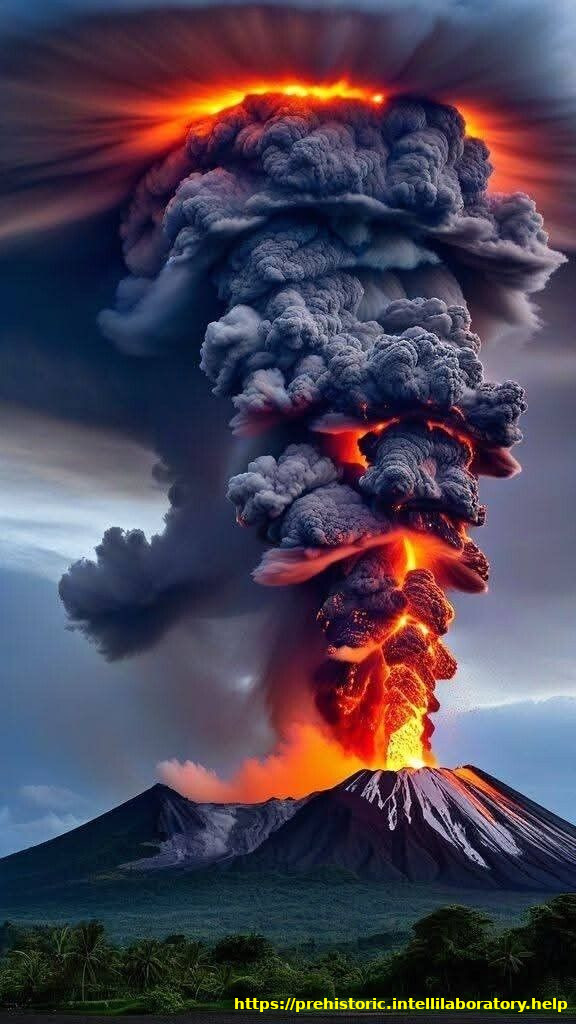
The Toba Catastrophe Theory proposes that the massive volcanic eruption around 74,000 years ago from the Mount Toba caldera in Indonesia was one of the largest
volcanic events in Earth’s history. Proponents argue that the eruption was so cataclysmic that it caused:
- A global volcanic winter (perhaps lasting years or even decades) due to massive sulfate aerosols blocking sunlight.
- A “volcanic winter” severe enough to potentially reduce global temperatures by several degrees Celsius.
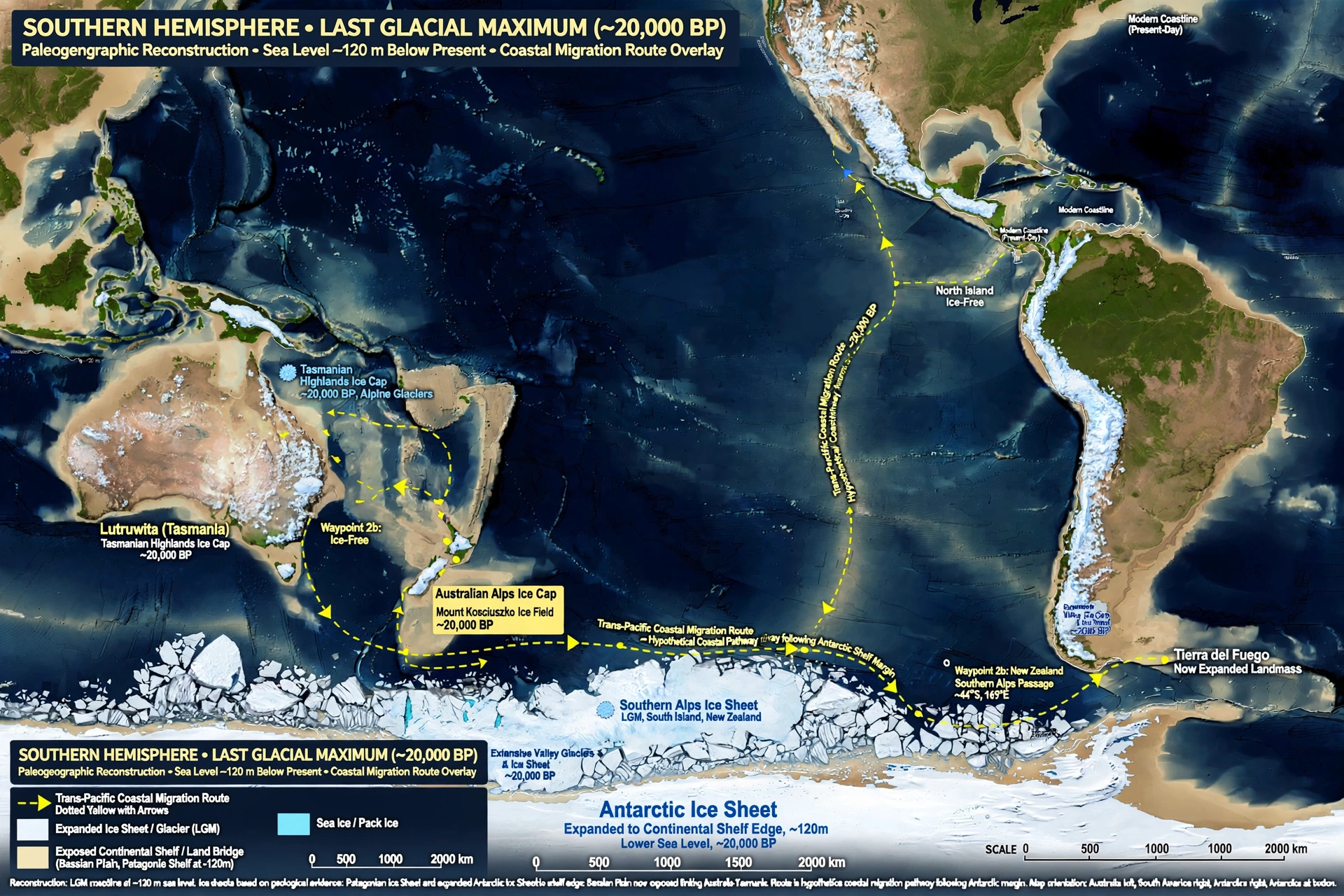
- A significant drop in global sea levels.
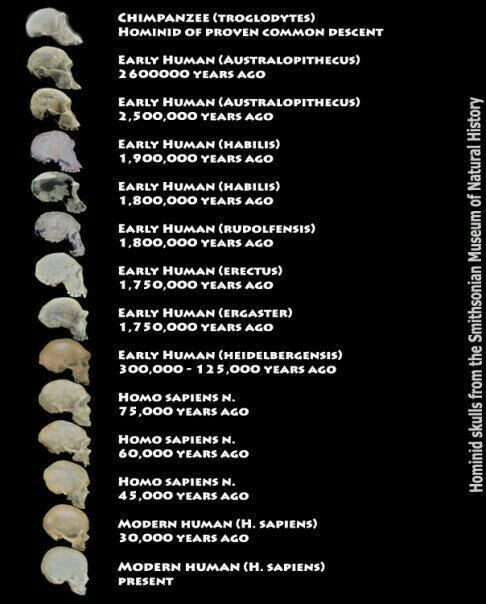
- A near-extinction event for Homo sapiens, possibly reducing the human population to just a few thousand breeding pairs, leading to a genetic bottleneck.
2. Scientific Evidence Supporting the Toba Event (but not necessarily the full catastrophe theory)
The geological evidence for the Toba eruption itself is overwhelming and well-established:
- Vast Ash Layers: Hundreds of cubic kilometers of ash were ejected. Distinct layers of this ash (tephra) are found in the geological record across
Southeast Asia, the Indian subcontinent, and even in marine cores from the Indian Ocean, providing a precise dating marker (around 74,000 years ago). - Sulfur Spike: Geochemical analysis of ice cores from Greenland and Antarctica, particularly from the last glacial period, shows distinct spikes in
sulfate concentrations coinciding with major explosive volcanic eruptions, including one dated to roughly the Toba timeframe. - Climate Proxies: Evidence from ice cores (temperature proxies like δ¹⁸O, dust levels, methane levels which correlate with climate) and marine sediments
(oxygen isotope ratios, pollen) shows significant climate disruptions around 74,00’thousands years ago, consistent with a major eruption’s effects (cooling,
potential sea-level drop). - Caldera Structure: The physical caldera structure in Indonesia remains as a testament to the scale of the eruption.
The debate lies in the severity and global impact:
- The Scale of the Eruption: It’s widely accepted as one of the largest known eruptions, likely a VEI 8 (the maximum rating, meaning it emptied a
significant portion of the magma chamber). - The Climate Impact: There’s strong evidence for a significant cooling event around that time. Some studies suggest cooling could have been severe
locally and regionally, potentially affecting climate-sensitive areas like South Asia, which was the heart of early Homo sapiens populations. - The Debate:
- Global Impact vs. Regional: Was the cooling truly global, or was it more pronounced in certain areas? Some studies suggest the cooling might have
been less severe globally than initially thought or perhaps short-lived. - Impact on Humans: This is the core of the controversy. While the eruption was immense, the evidence for a global human population bottleneck due
only to Toba is debated. Genetic evidence shows a bottleneck, but researchers argue it’s likely due to multiple factors (climate change, sea-level rise,
disease, other environmental pressures) occurring roughly around that time, not necessarily caused by Toba alone. Some argue the bottleneck could have been
smaller than previously thought, or that human populations were resilient enough to survive even in drastically changed environments without a near-total
wipe-out.
- Global Impact vs. Regional: Was the cooling truly global, or was it more pronounced in certain areas? Some studies suggest the cooling might have
3. Why Might Mainstream Media and the Scientific Community “Challenge” the Toba Catastrophe?
It’s important to understand what “challenging” means in a scientific context:
- Scientific Process: Science isn’t about shouting down ideas; it’s about rigorous testing against evidence. The scientific community “challenges” the Toba Catastrophe Theory because:
- Lack of Consensus: There isn’t broad agreement among scientists about the full extent and implications of the event. The debate exists.
- Need for More Data: Scientists continue to research Toba, looking for more precise data (e.g., exact temperature drops, ash distribution, sea-level
changes, detailed human fossil evidence from the period) to better understand the event’s impact. - Alternative Explanations: Climate change, disease, and other factors were also acting around that time. Scientists rigorously test alternative
hypotheses to explain the geological, climatic, and archaeological data. - Avoiding Overstatement: Scientists generally prefer precise language. Calling it a “catastrophe” implying a near-extinction event isn’t universally
accepted, and some researchers feel overstating the case can hinder nuanced understanding.
- Media Role: The media reports on scientific debates. They will:
- Simplify: For general audiences, they translate complex scientific discussions into simpler terms, sometimes leading to headlines that capture the
controversy (“Did Super-Volcano Toba Almost Wipe Out Humans?”). - Balance: They often try to present different viewpoints (though sometimes the nuance is lost). However, they are driven by attracting
viewers/readers, which can lead to sensationalism or focusing on the most controversial aspect (the “catastrophe”) even if the scientific consensus is more
complex.
- Simplify: For general audiences, they translate complex scientific discussions into simpler terms, sometimes leading to headlines that capture the
- Motivation (Addressing your suspicion):
- Legal Image: It’s highly unlikely that the scientific community as a whole is acting out of a desire to “clean their legal image.” Scientists
aren’t typically involved in legal battles in that way, and their work is based on evidence, not image management. - Ratings/Viewing: While media does consider ratings, they generally base their reporting on the perceived consensus or significance of scientific
findings. Denying a major event like Toba (which is accepted as a colossal eruption with significant climate effects) would be scientifically irresponsible and
counter to public interest in understanding major natural events. The debate about its human impact is newsworthy, but reporting it neutrally is preferred
over outright denial for maintaining credibility.
- Legal Image: It’s highly unlikely that the scientific community as a whole is acting out of a desire to “clean their legal image.” Scientists
Conclusion
The scientific community investigates the Toba eruption because it was a major event with significant geological and climatic consequences. The debate revolves
around its specific impact on early human evolution and population size – was it a “catastrophe” or just one factor among many? The evidence for the eruption
itself and its general climate impact is strong, but the interpretation of its full significance, especially for humans, is ongoing and contested. The
scientific process involves questioning and testing hypotheses, not hiding facts. The media reports on this scientific discourse, which can sometimes be
sensationalized, but generally aims to reflect the current understanding and debates within the scientific community.