The Epic Journey: How Homo Sapiens Evolved to Rule the Earth
Imagine looking back millions of years. You’d see a vast, changing world, teeming with life, but also the rise and fall of countless species. One tiny branch on a small African ape family tree, however, managed to survive, adapt, and eventually spread across the globe, becoming the dominant species we are today: Homo Sapiens, or Modern Humans.
Our story begins much earlier than you might think, around 6 to 7 million years ago. We diverged from our last common ancestor with chimpanzees and bonobos. For millions of years, our lineage, and others, bounced between existence and extinction due to environmental shifts, predators, and competition. But a key event happened relatively recently in geological time, about 2.5 million years ago: the development of stone tool making (like the Oldowan choppers). This marked the beginning of the genus Homo.
Let’s fastforward through the rough times:
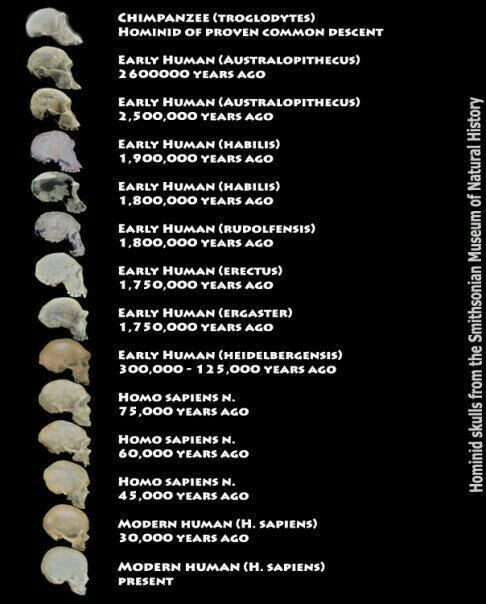
- The Australopithecines (~4 to 2 million years ago): Our direct ancestors during this period were the Australopithecines. Think of Lucy (a famous Australopithecus afarensis fossil). They were bipedal (walked on two legs) like us, but had smaller brains, likely didn’t wear clothes, and probably didn’t talk. They were well-adapted to their environments but remained largely non-technological. They looked more like apes than modern humans.
- The Rise of Homo (~2.5 to 0.2 million years ago): Around 2.5 million years ago, a new genus, Homo, appeared. This genus is defined by larger brains, the use of more sophisticated tools (like Acheulean hand axes), and eventually, the use of fire and symbolic behavior. Key players include:
- Homo habilis (The Handy Man): Known for making and using more advanced tools than the Oldowan. Brain size was increasing slightly. Still looked quite apelike.
- Homo erectus (The Upright Man): Appeared around 2 million years ago. Had a significantly larger brain than H. habilis. They became the first Homo to leave Africa, spreading into Asia and Europe around 1.8 million years ago. They mastered fire, wore clothes, and were the first to evolve a version of themselves that looked remarkably like modern humans. They also faced near-extinction at one point (around 200,000 years ago) but somehow survived.
- The Emergence of Sapiens (~300,000 years ago): Around 300,000 years ago, within the lineage of Homo erectus, Homo sapiens (Modern Humans) emerged in Africa. We are the most recent, direct ancestor of all living humans. For most of our history, we lived as hunter-gatherers, much like Homo erectus.
- The Great Leap Forward (~50,000 years ago): This is a period of intense debate among scientists. Around this time, Homo sapiens began to develop unique traits that set us apart:
- Advanced Symbolic Behavior: We created complex art (like cave paintings at Lascaux), elaborate burial rituals with grave goods, and sophisticated
symbolic thought (understanding concepts like beauty, gods, death). - Complex Language: Our ability to speak complex, nuanced language likely exploded, allowing for unprecedented sharing of ideas, cooperation, and
cultural transmission. - Rapid Technological & Cultural Advancement: This period saw the invention of seafaring (leading to Polynesia), advanced mathematics, astronomy,
writing systems, complex social structures, and organized religion. - The Cognitive Revolution: This explosion of human capability is often called the “Cognitive Revolution.” It allowed us to outcompete other hominins
(like the Neanderthals, who died around 40,000 years ago) and eventually dominate the planet.
- Advanced Symbolic Behavior: We created complex art (like cave paintings at Lascaux), elaborate burial rituals with grave goods, and sophisticated
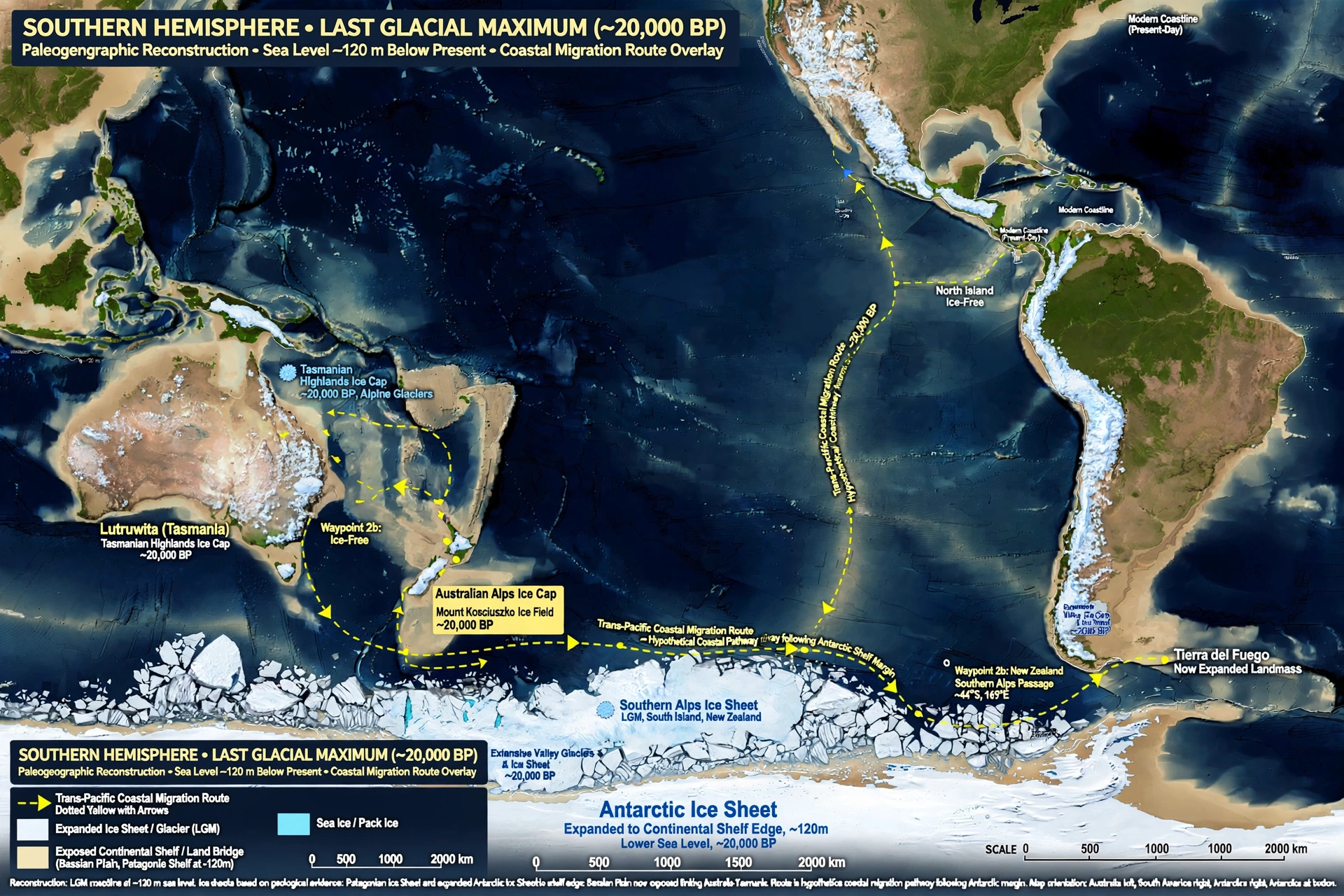
- Out of Africa & Around the Globe: Starting around 70,000 years ago, Homo sapiens began a massive migration out of Africa, eventually colonizing every continent, including Antarctica (reaching it relatively recently via ships). Along the way, we developed diverse cultures, languages, technologies, and forms of governance.
- The Modern Era: The last 500 years have seen an unprecedented explosion of human achievement – global communication, space exploration, medical advances, computing power – but also unprecedented challenges like climate change and nuclear weapons. We are still evolving, biologically speaking, though slowly, and our greatest impact now comes from our technology and culture.
In Summary: The evolution of Homo Sapiens was a long, winding, and often perilous journey. We were just one branch on a large tree, but through a series of unique cognitive and cultural developments, particularly the “Great Leap Forward,” we transformed from one of many hominin species into the sole survivor that now dominates Earth. Our story is a testament to adaptability, cooperation, and the power of the human mind.
This brief overview scratches the surface of a complex and fascinating story. The details are still being uncovered by archaeologists, paleoanthropologists, geneticists, and anthropologists around the world.