Okay, let’s break down the complex and fascinating period of the Middle Pleistocene (MP), approximately 850,000 to 1,050,000 years ago (ka). This period is crucial for understanding the evolution of Homo sapiens and the dynamics of Quaternary fauna, though direct evidence is often fragmentary.
Important Caveat: Studying life during the Middle Pleistocene presents significant challenges. Direct fossil evidence is less abundant than during the earlier Pleistocene (especially the Lower Paleolithic record leading to Homo erectus) and far less than during the Holocene (modern times). Direct genomic evidence from individuals from this exact period is virtually nonexistent; most genetic insights come from later fossil remains (Neanderthals, Denisovans) and sophisticated analyses of modern human DNA.
1. General Context: Climate, Environment & Geological Setting
- Part of the Pleistocene: The MP is the middle phase of the ongoing Quaternary Period, specifically the Pleistocene Epoch. It follows the Old World (Pleistocene) and precedes the Holocene.
- Climate: Characterized by repeated glaciations and interglacials. The climate was generally cooler and drier than the preceding Pliocene but more variable than the Holocene. Glacial cycles were longer (tens of thousands of years) and more intense than today, with extensive ice sheets covering northern North America, Europe, and Asia. Sea levels fluctuated dramatically. Africa, while experiencing climatic shifts, generally remained warmer and wetter than today, though with increasing variability.
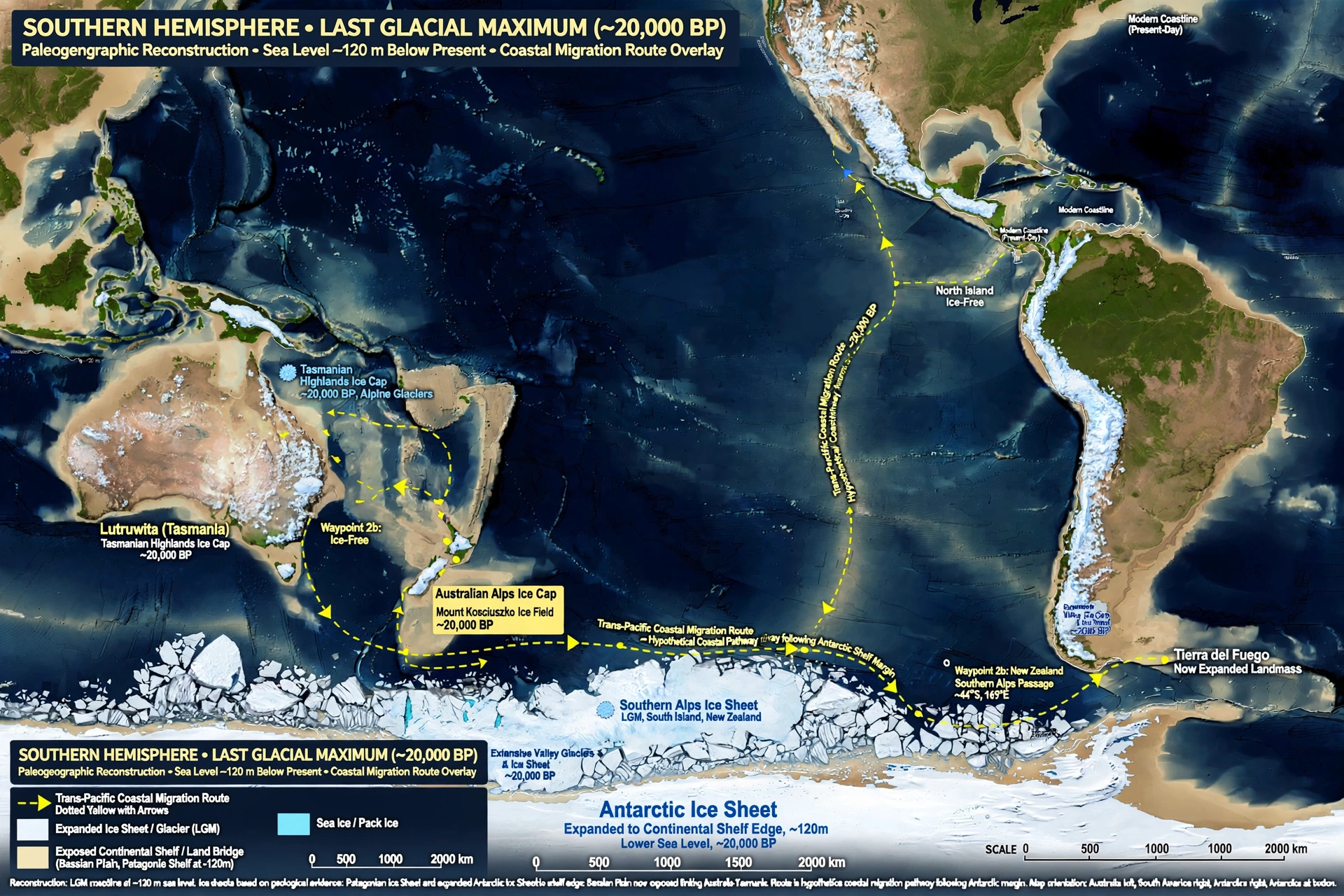
- Sea Level: Repeated lowerings and risings of sea levels exposed and submerged vast continental shelves, creating land bridges (e.g., between Asia and Europe during glacial maxima) and separating continents (e.g., when land bridges were submerged). This profoundly affected faunal distribution and migration.
- Volcanism: Major volcanic events, like the Toba eruption around 74,000 years ago (slightly younger but in the same general Pleistocene context), likely impacted climate and ecosystems, though their direct effect on MP life is harder to assess.
2. Recorded Biological Species & Founder Events (Focus: Primarily Hominins, with other Mammals)
Finding clear “founder events” during the Middle Pleistocene is complex due to the timescale and fragmentary record. Evolution is gradual, and speciation often involves population divergence over vast areas before leaving a distinct fossil signature. However, we can identify major evolutionary transitions and candidate species/populations within this timeframe.
A. Hominin Evolution (The Star-Studied Group)
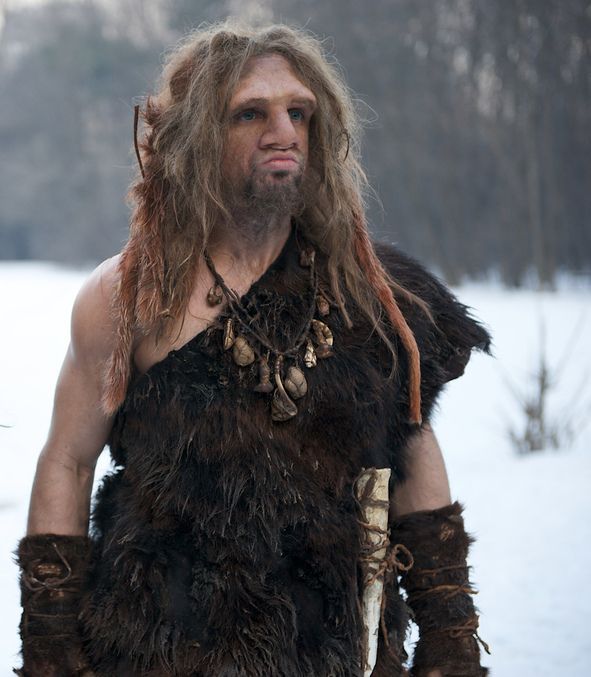
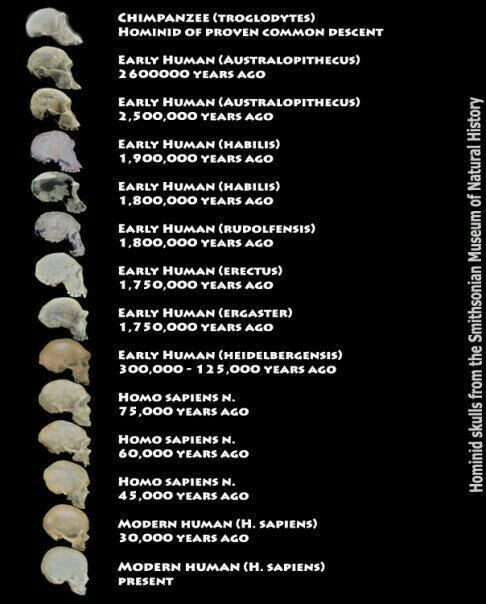
The most significant hominin development during the Middle Pleistocene is widely considered to be the emergence and evolution of Homo sapiens.
- From Where? Likely originating from archaic Homo sapiens populations, possibly evolving from Homo heidelbergensis or perhaps directly from Homo erectus populations in Africa.
- The Transition:
- Archaic Homo sapiens: By the Middle Pleistocene, populations of archaic Homo sapiens were well-established across Africa. They coexisted (and likely interbred with) contemporaneous populations of Homo erectus and Homo heidelbergensis. They exhibit a mix of primitive and derived traits, transitional between earlier forms and anatomically modern humans. Key sites in Africa (e.g., Omo Kibish, Ethiopia; Middle Awash, Ethiopia; Herto, Ethiopia) yielded fossils crucial for defining archaic Homo sapiens (like Homo sapiens idaltu, dated around 160,000 years ago, slightly earlier than the typical MP start, but part of the broader transition).
- Evolutionary Pivotal Point: The period from ~800,000 to 300,000 years ago is often seen as the time window for the origin and initial diversification of Homo sapiens. A founder event arguably occurred here: a small founding population within the broader archaic Homo sapiens lineage gave rise to anatomically modern humans.
- Hominin Founder Events (Hypothetical but Likely):
- Out of Africa I (Early Modern Human Dispersal): While often dated towards the end of the Middle Pleistocene (around 100,000 to 70,000 years ago, though some models push it back), the initial dispersal of anatomically modern Homo sapiens out of Africa represents a massive founder event. A small group(s) left Africa into the Levant, likely during an interglacial period. This group(s) carried the genetic diversity characteristic of non-African populations today, suggesting a relatively small founding population size. This event fundamentally reshaped the faunal and human landscape of Eurasia.
- Speciation within Africa: The origin of Homo sapiens itself could be viewed as a founder event within the broader Homo genus, specifically within archaic Homo sapiens populations. The genetic separation between archaic Homo sapiens and other contemporaneous species (like H. erectus) likely occurred in Africa, involving population isolation and divergence.
B. Other Mammalian Fauna (Driven by Climate)
While hominins are the focus, other mammals underwent significant changes during the MP, largely driven by climate fluctuations and associated faunal turnover.
- African Mammals:
- Elephants: Several distinct species evolved, including early forms of the African Bush Elephant (Loxodonta spp.) and African Forest Elephant (Elephas). Climate shifts influenced their distribution and the types of habitats they occupied.
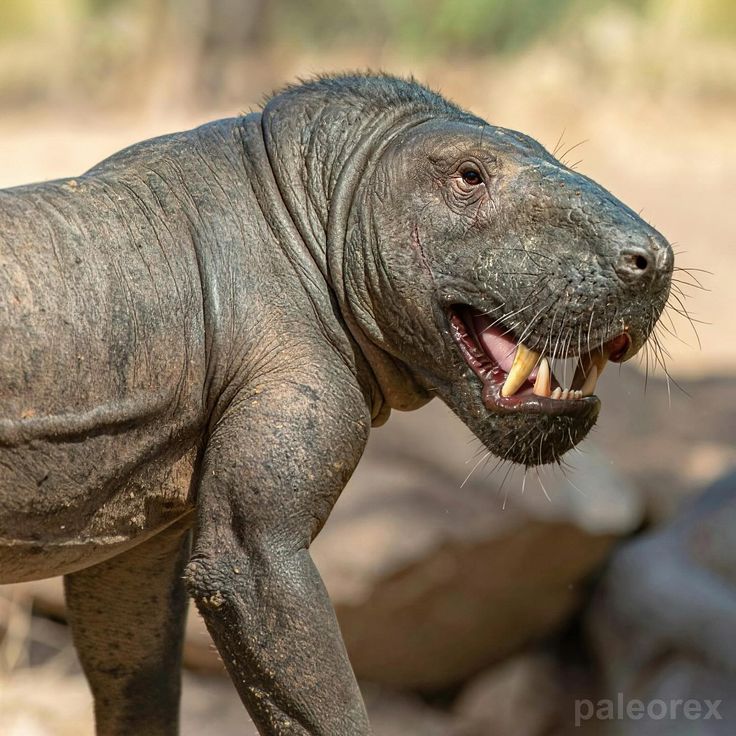
- Hippopotamuses: Evolution occurred, adapting to changing riverine and lake environments.
- Bovids & Antelopes: Major diversification and speciation events occurred across various families (e.g., Bovidae, Hippotraginae). Examples include early forms of wildebeest (Connochaetes), zebras (Equus), and diverse antelope genera. Founder events likely occurred as populations colonized newly available habitats or were isolated by changing geography.
- Hominids: Besides Homo, other hominins were present but likely declining or evolving into extinction. Homo erectus persisted in Africa and Asia until the Late Pleistocene. Homo heidelbergensis was widespread in Europe and Africa, evolving into Neanderthals in Europe and the Near East, and possibly archaic Homo sapiens in Africa. The transition from H. heidelbergensis to H. sapiens and Neanderthals involved complex population dynamics, potential hybridization, and founder events as populations diverged geographically or adaptively.
- Other Mammals: Various carnivores (like early hyenas, leopards), rodents, and primates underwent evolutionary changes.
- Eurasian Mammals:
- Hominins: Continued evolution and persistence of Homo erectus and Homo heidelbergensis into distinct lineages, leading to Neanderthals (Homo neanderthalensis) and Denisovans (Homo denisova) by the Middle/Late Pleistocene boundary (~300,000 years ago). Founder events occurred as populations became isolated in different refugia (e.g., Europe, Asia).
- Cave Bears: Ursus spelaeus, a distinct species, evolved and became widespread, flourishing during interglacials.
- Mammoths & Mastodons: Early forms of Mammuthus and Stegodon were present, evolving and dispersing throughout the Northern Hemisphere.
- Cave Lions: Panthera spelaea, a distinct species, evolved and was widespread.
- Marine Mammals: Evolution continued in whales, seals, etc., adapting to changing ocean conditions and sea levels.
- Key Founder/Extinction Events:
- Climate Driven Turnover: Intense glaciations likely caused extinctions of less cold-adapted species in temperate zones, while interglacials allowed refugia populations to expand and potentially colonize new areas (creating founder events). For example, in Africa, savanna expansion might have favored certain herbivore groups over forest dwellers.
- Migration & Colonization: As sea levels dropped, land bridges allowed species to colonize new continents, leading to founder events in the colonizing populations and extinctions in the new areas if they couldn’t compete.
3. Genome Evidence (Interpreted from Modern Humans and Later Fossils)
Direct genomic data from individuals from 850,000 to 1,050,000 years ago is impossible to obtain. Our understanding relies on:
- Ancient DNA (aDNA) Studies: Primarily from Neanderthals (up to ~40,000 years old) and Denisovans (up to ~100,000 years old). These studies provide direct genetic sequences and reveal:
- Genetic Relatedness: Clear evidence that Neanderthals and Denisovans are distinct species but closely related to each other and to Homo sapiens. They diverged from a common ancestor (likely archaic Homo sapiens) around 400,000 to 500,000 years ago. This timeframe falls within the Middle Pleistocene, defining the origin of these sister clades.
- Interbreeding: Direct evidence of gene flow between Homo sapiens and both Neanderthals and Denisovans occurred, particularly during the Out-of-Africa migration (roughly 70,000 to 50,000 years ago, but potentially influenced by admixture with populations carrying these genes much earlier). The persistence of these genes in modern human populations (especially outside Africa for Neanderthals, throughout the world for Denisovans) implies that the admixture events occurred before the major Out-of-Africa dispersal or were back-mixed into the expanding populations.
- Genetic Drift & Population Structure: Detailed analysis of Neanderthal and Denisovan genomes shows population structure, adaptations (e.g., to cold), and evidence of complex demographic histories, including population bottlenecks and expansions, during the Pleistocene.
- Genetic Analyses of Modern Human DNA:
- Mitochondrial DNA (mtDNA) Haplogroups: Studies of mtDNA from diverse populations worldwide have identified major haplogroups (e.g., L, M, N, C, D, X) that can be traced back to African origins deep in time. Phylogenetic analyses place the root of the Homo sapiens mtDNA lineage well before the Middle Pleistocene (~300,000 to 500,000 years ago or earlier estimates exist). These analyses infer population expansions, splits, and demographic events, including the major African population expansion associated with the Out-of-Africa event (often dated to the Late Middle Pleistocene).
- Autosomal DNA (Genome-Wide): Y-chromosome studies provide a parallel, albeit often complementary and sometimes slightly different due to different inheritance patterns, picture. Autosomal DNA studies using statistical models (coalescence theory) applied to modern human genetic variation estimate the time to the most recent common ancestor for different parts of the genome. These calculations consistently point to Homo sapiens evolving from archaic populations during the Middle Pleistocene (roughly 500,000 to 200,000 years ago, with estimates varying significantly depending on the specific genomic region and model). These analyses also detect signatures of selection, population structure, and gene flow.
- Genetic Distances: Comparing the genetic diversity within Homo sapiens to that between Homo sapiens and other fossil Homo species (like H. erectus) provides evidence that H. sapiens evolved its characteristic level of genetic diversity relatively recently. H. erectus showed much lower genetic diversity, consistent with a population expansion much later than its long persistence. This supports the idea that the rapid expansion associated with anatomical modernity occurred during the Middle or Late Pleistocene.
Summary
The Middle Pleistocene (approx. 850,000 – 1,050,000 years ago) was a dynamic period shaped by dramatic climate fluctuations and sea-level changes. While direct evidence is limited, the fossil record indicates significant evolutionary developments, most notably the flourishing and likely origin/diversification of archaic Homo sapiens in Africa, alongside the continued presence of Homo erectus and Homo heidelbergensis. Founder events occurred as populations diverged (leading to Neanderthals, Denisovans) and colonized new areas (Out-of-Africa I dispersal).
Genetic evidence, primarily from later fossils (Neanderthals, Denisovans) and sophisticated analyses of modern human DNA, confirms the deep Pleistocene roots of Homo sapiens, their close relation to these sister groups, and evidence of interbreeding. Modern genomic analyses infer population structures, expansions, and evolutionary processes during this vast, enigmatic period, revealing the deep genetic history underlying the species we are today. The Middle Pleistocene represents a critical interval where environmental pressures and evolutionary processes converged, setting the stage for the subsequent success and spread ofanatomically modern humans.